
the CRACK
Design:
HIGH-RISE & PLAZA DESIGN
Location:
Levent, Istanbul
Institution:
Istanbul Bilgi University
Course:
Arch 402
Year:
2018
Advisors:
Bora Mutlu & Eren Çıracı
Challenge:
Design a shopping mall with a high-rise structure
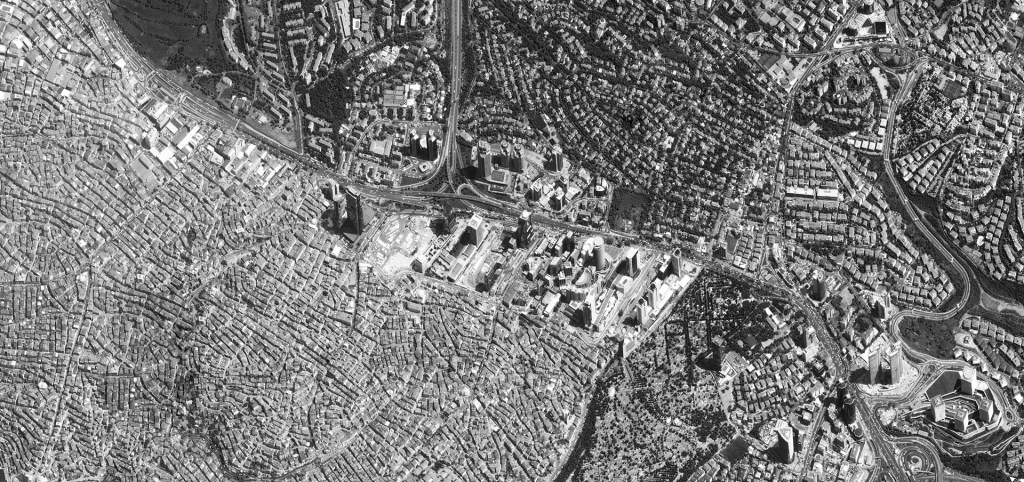
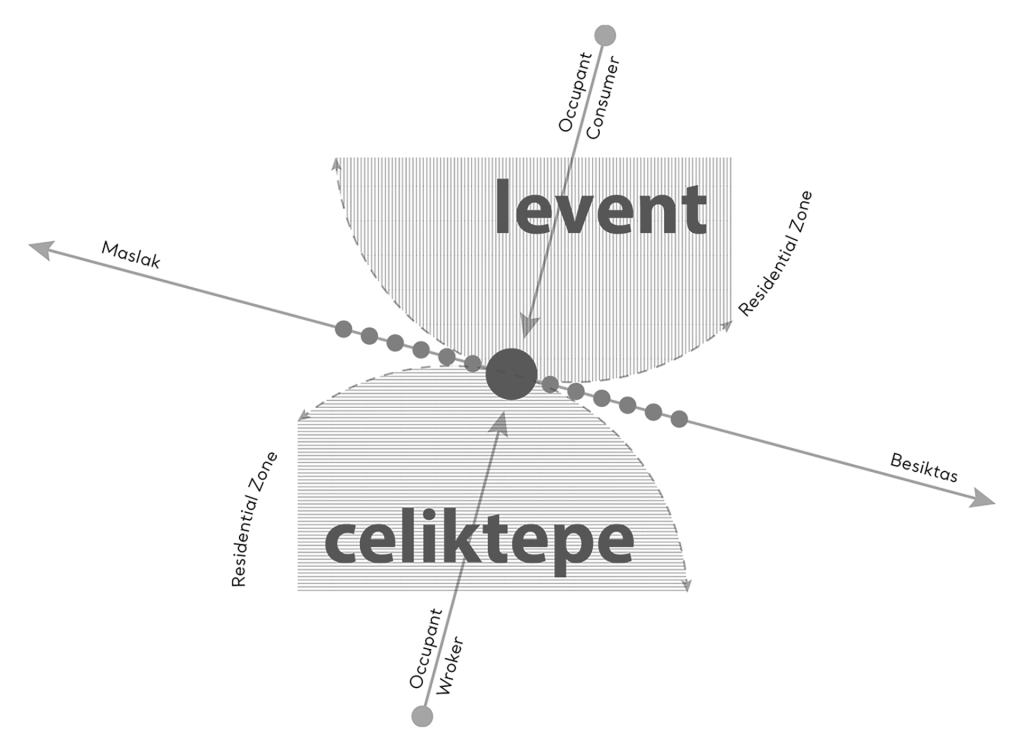

The design begins with a thorough understanding of the site and its surrounding context. Located on a busy avenue, the site connects several neighborhoods—each with distinct characteristics. While the avenue is lined with shopping malls and office buildings, its adjacent areas are predominantly residential. On one side lies an affluent neighborhood; on the other, a working-class area home to many blue-collar and service industry workers. Additionally, the avenue links two major boroughs of Istanbul: Maslak, a business district, and Sarıyer, a residential area large enough to be considered a city in its own right. Located at the cross-roads, the site plays a crucial role in both public transportation and retail.
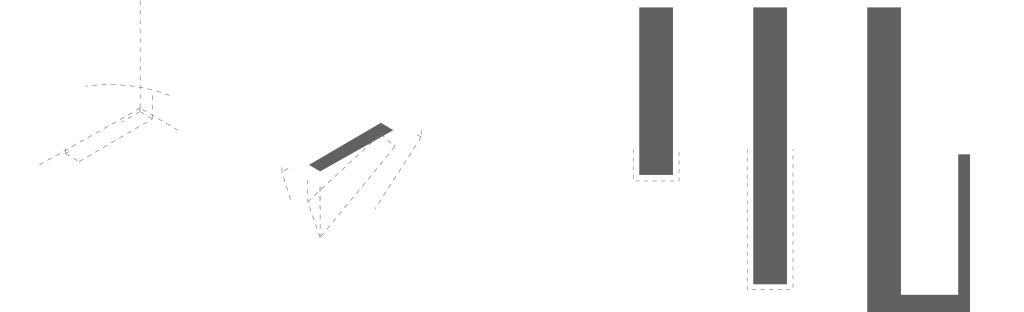
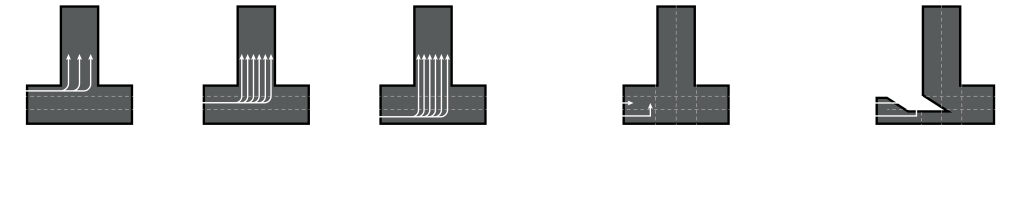
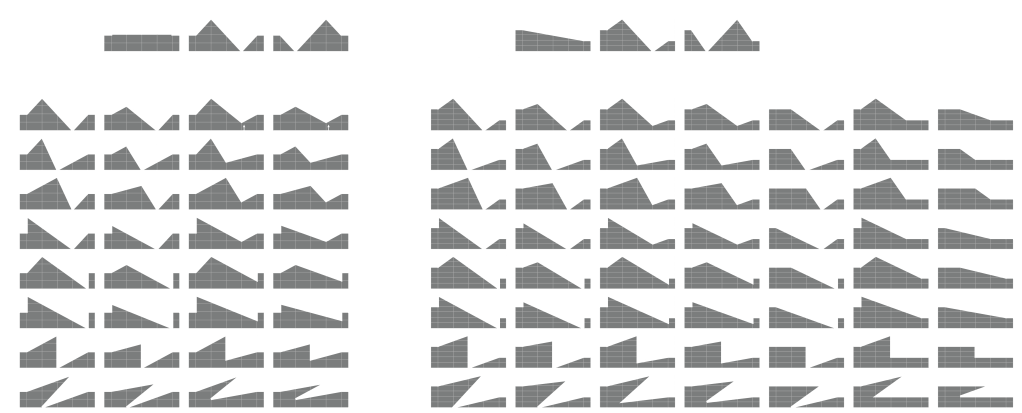
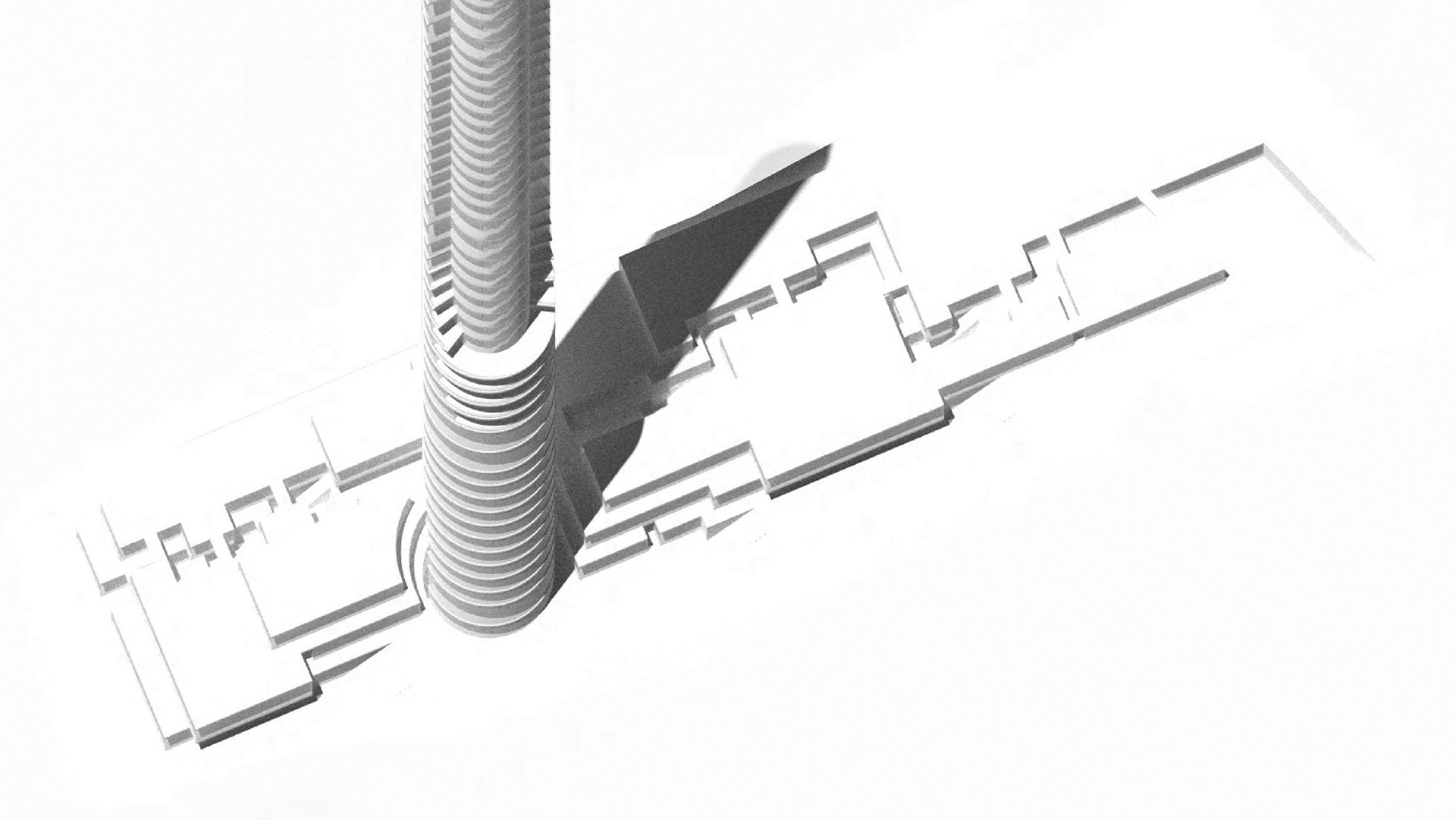
Recognizing that high-rise structures do not exist in isolation but are often accompanied by lower plazas, the design aims to integrate the two and explore unique ways in which they can come together. Informed by a formal study, the final design focuses not only on the vertical structure but equally on the sunken spaces. While the high-rise structure houses office spaces, the sunken plaza is reserved for a transit hub, a local market, various shops, and public squares—all connected by a network of intertwined pathways. Public transportation (buses and subway) and vehicular access are located beneath the site, while pedestrian access is opened up on all sides.
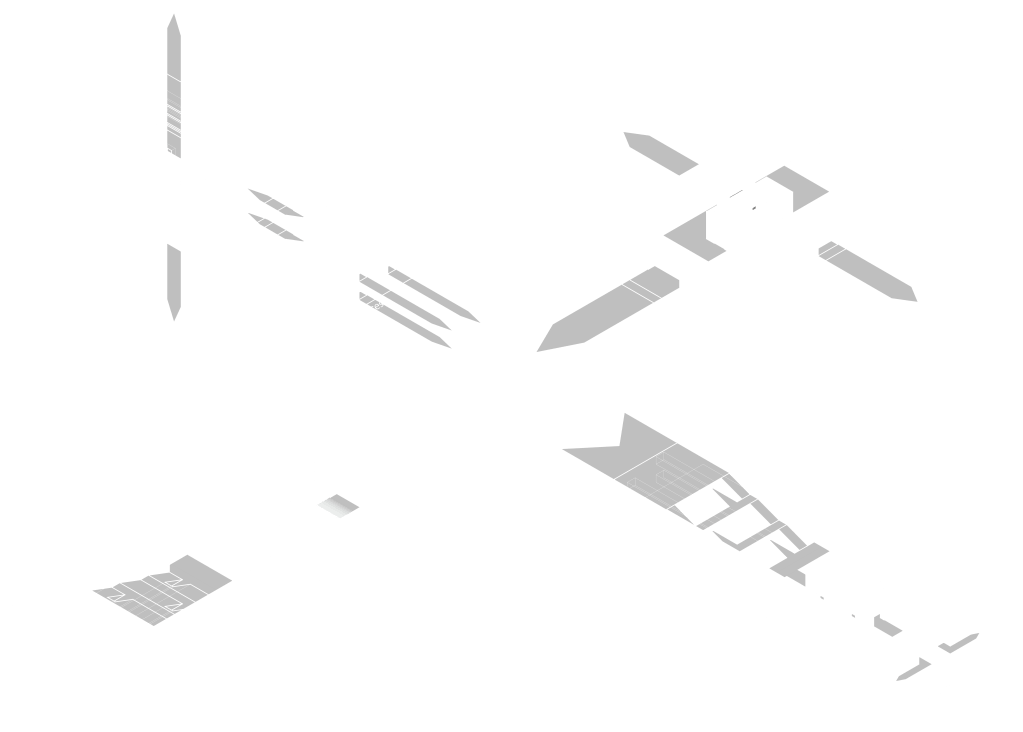
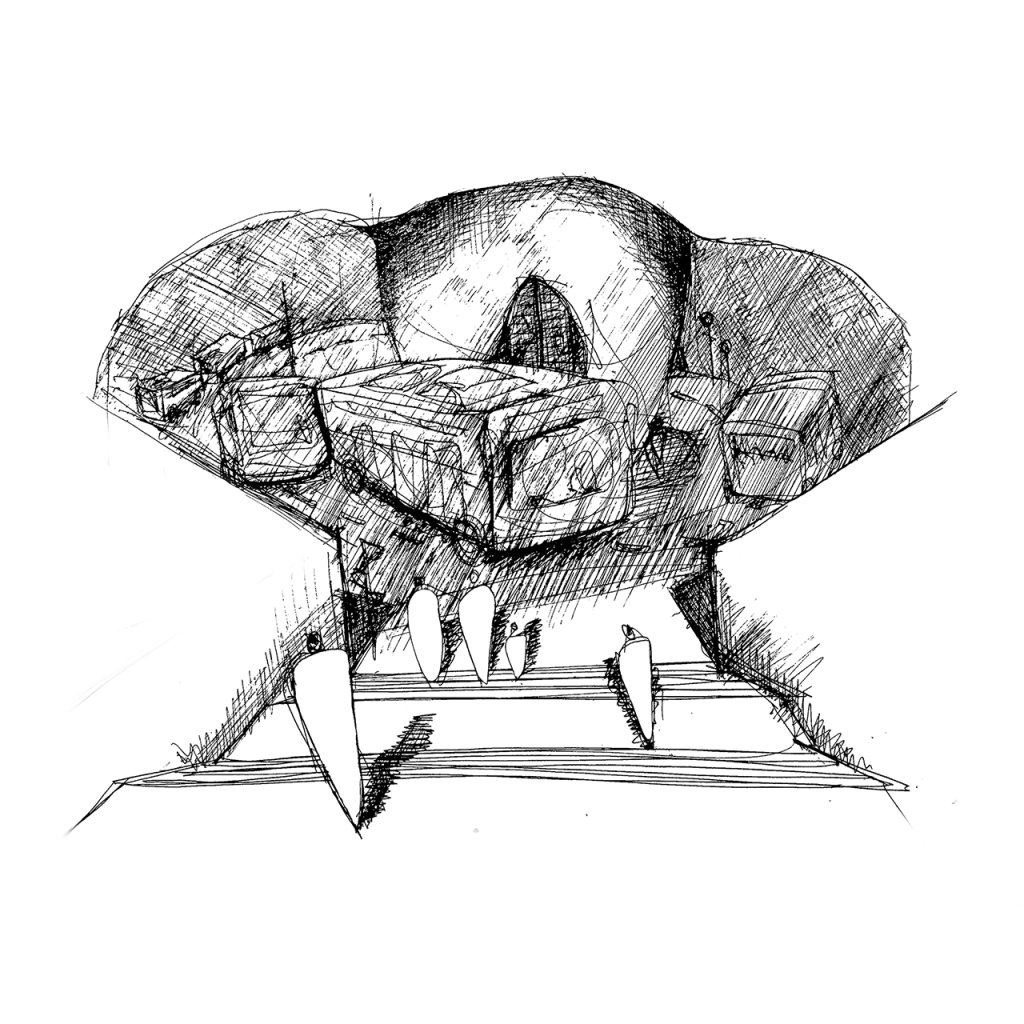
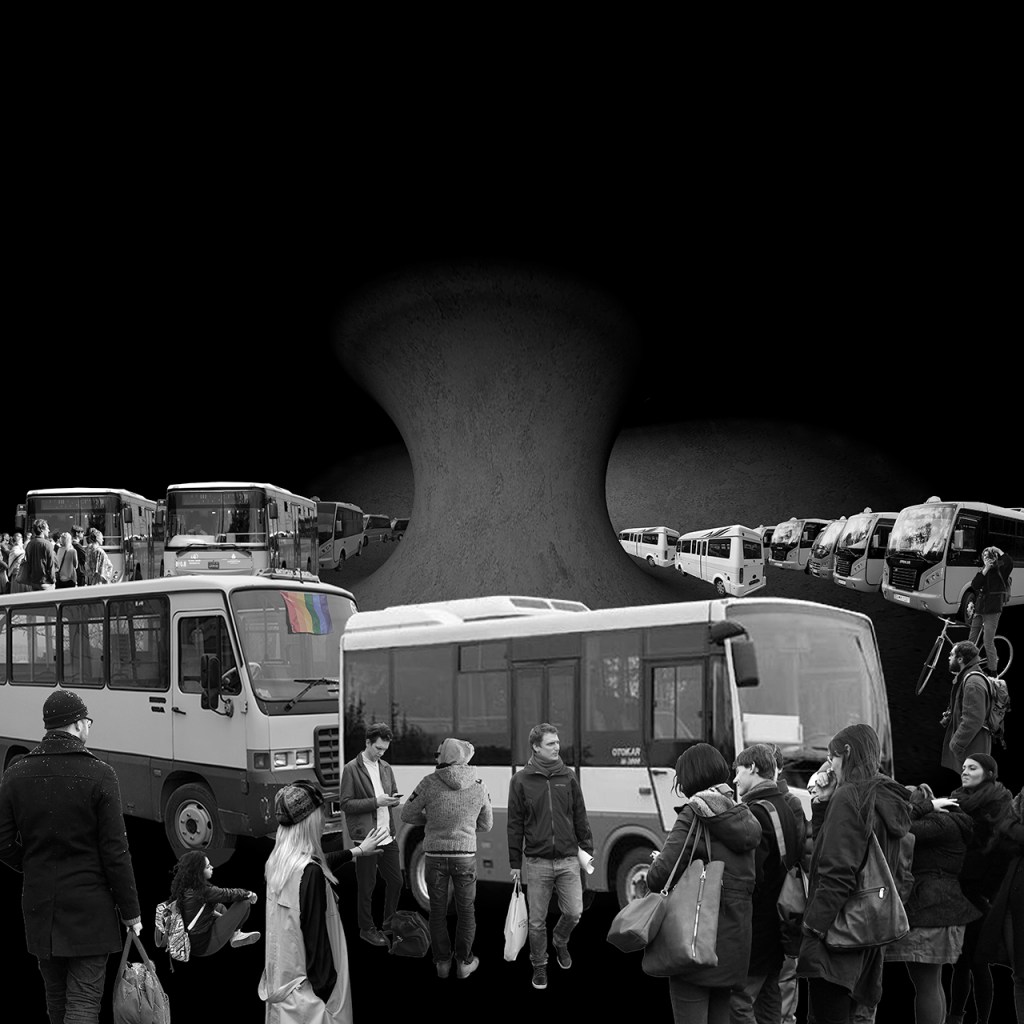
Designed as a labyrinth of interconnected pathways, the plaza offers a unique atmospheric experience that echoes the feel of a local bazaar. Visitors can easily lose themselves in the maze—if they choose to—which encourages a sense of exploration and a sense of belonging to the space. This fosters familiarity and reinforces a feeling of belonging. In contrast, people working in the surrounding offices and business district often spend their days in environments where personal connection and a sense of place is often lost. The labyrinth-like design aims to address this issue by creating a more engaging, human-centered spatial experience.
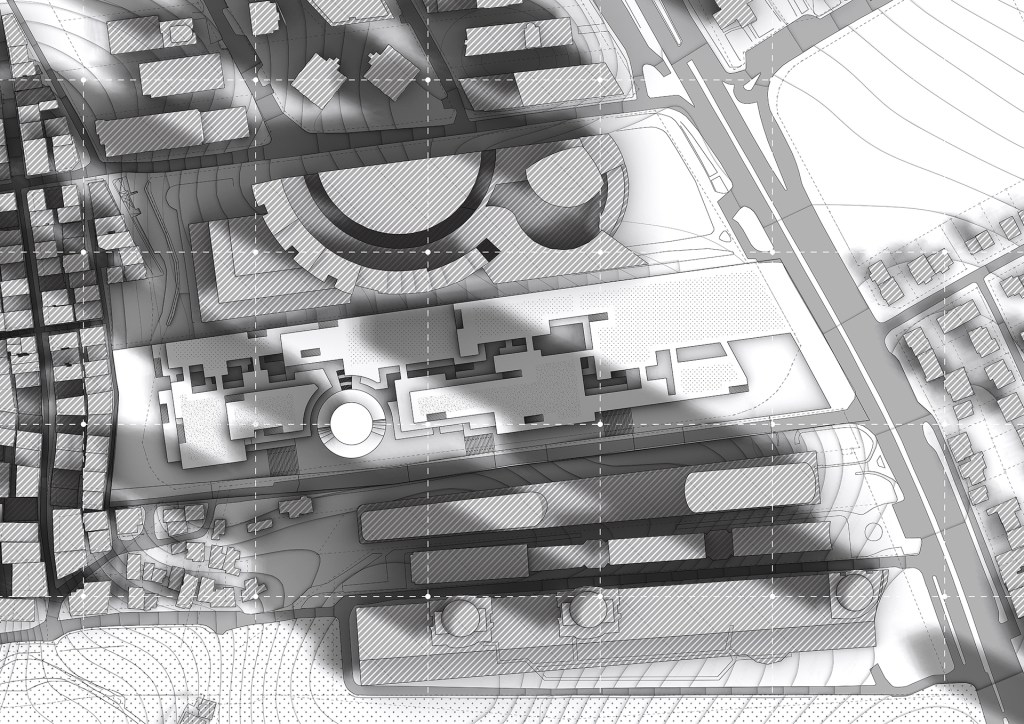
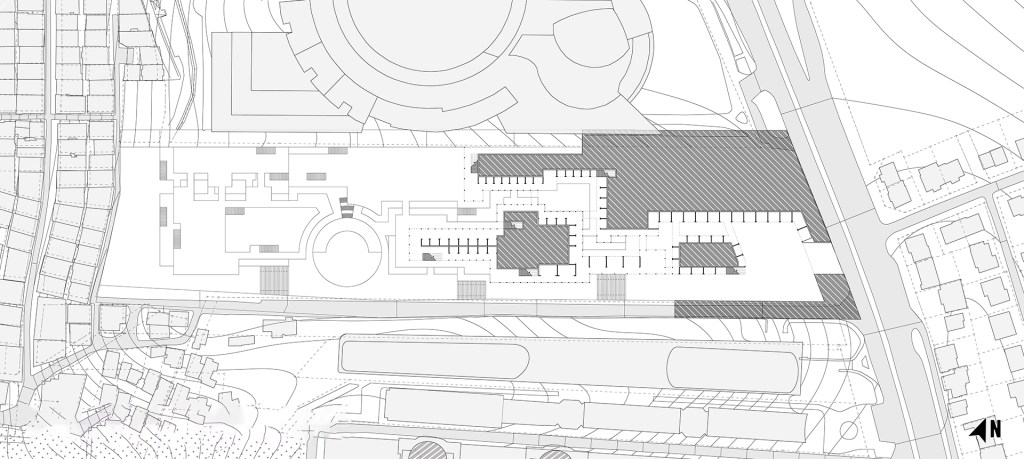
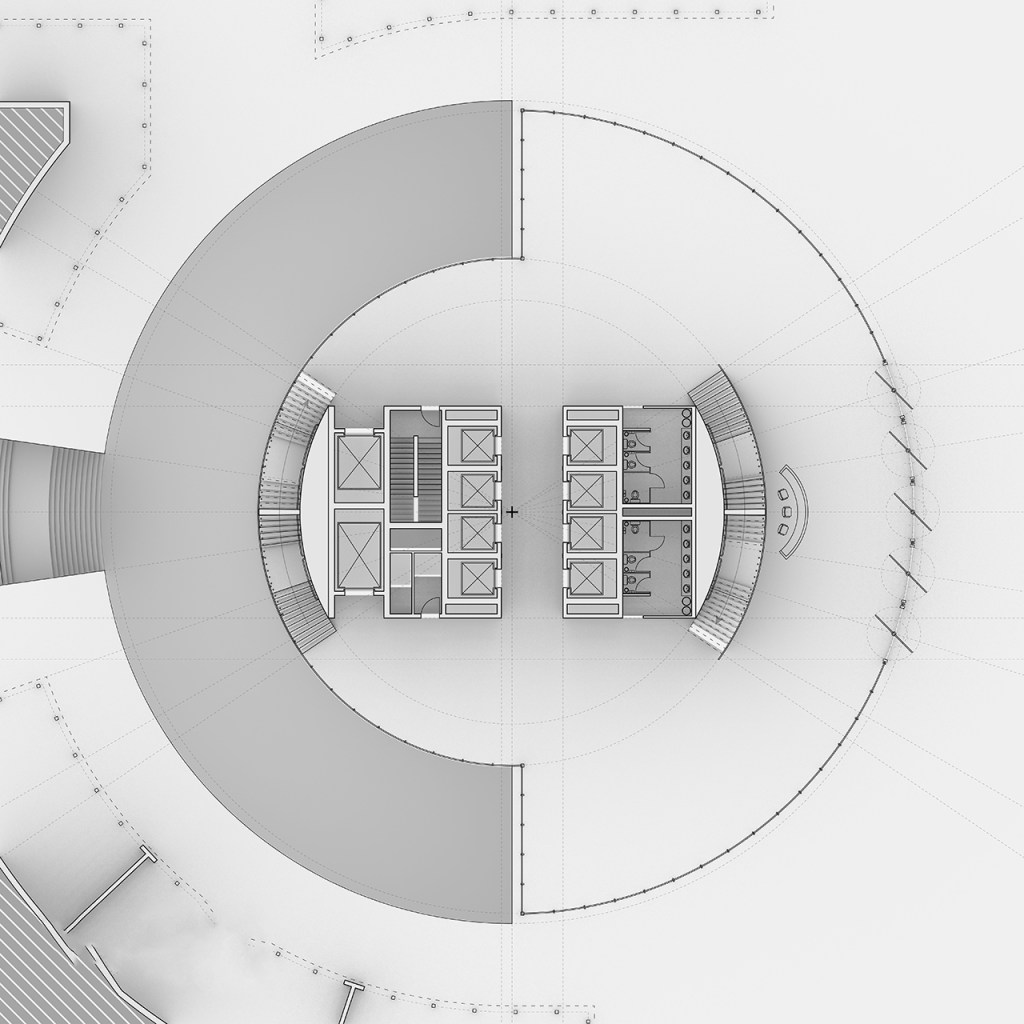
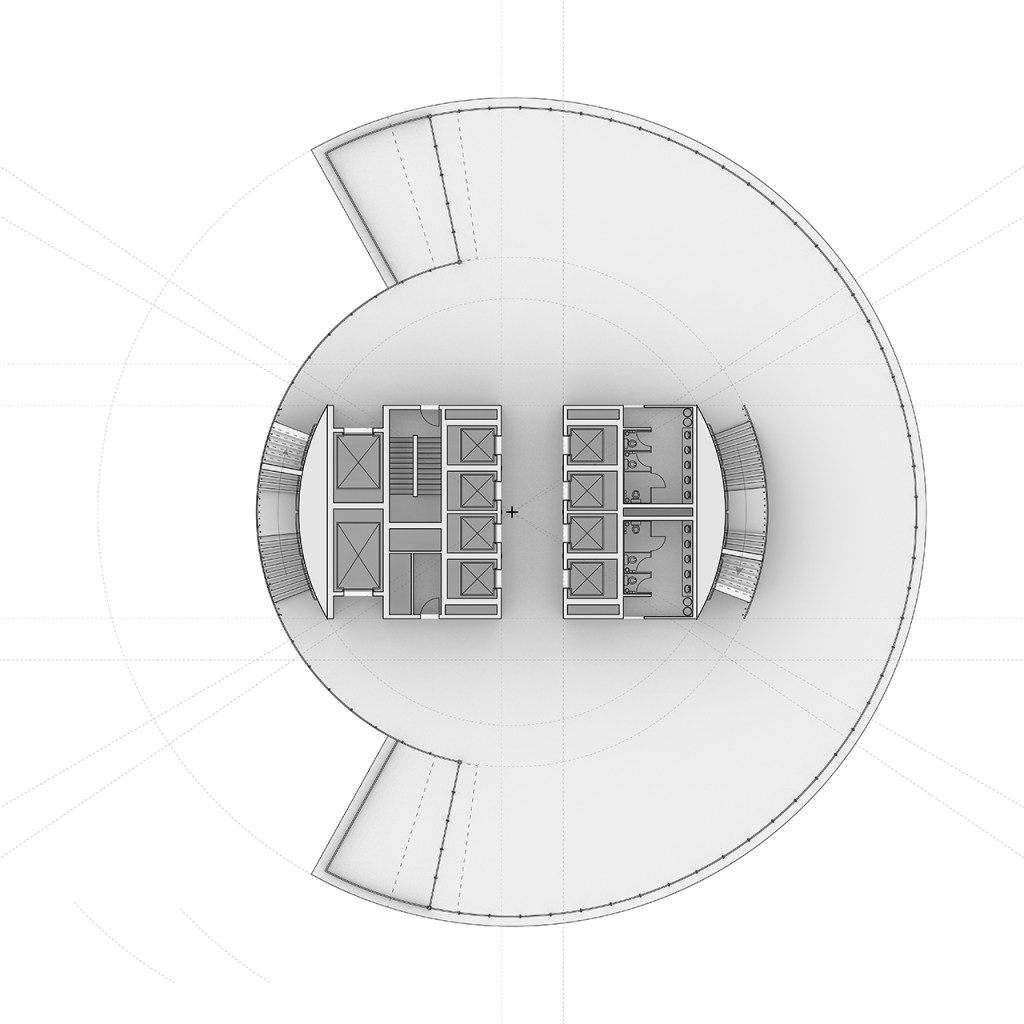
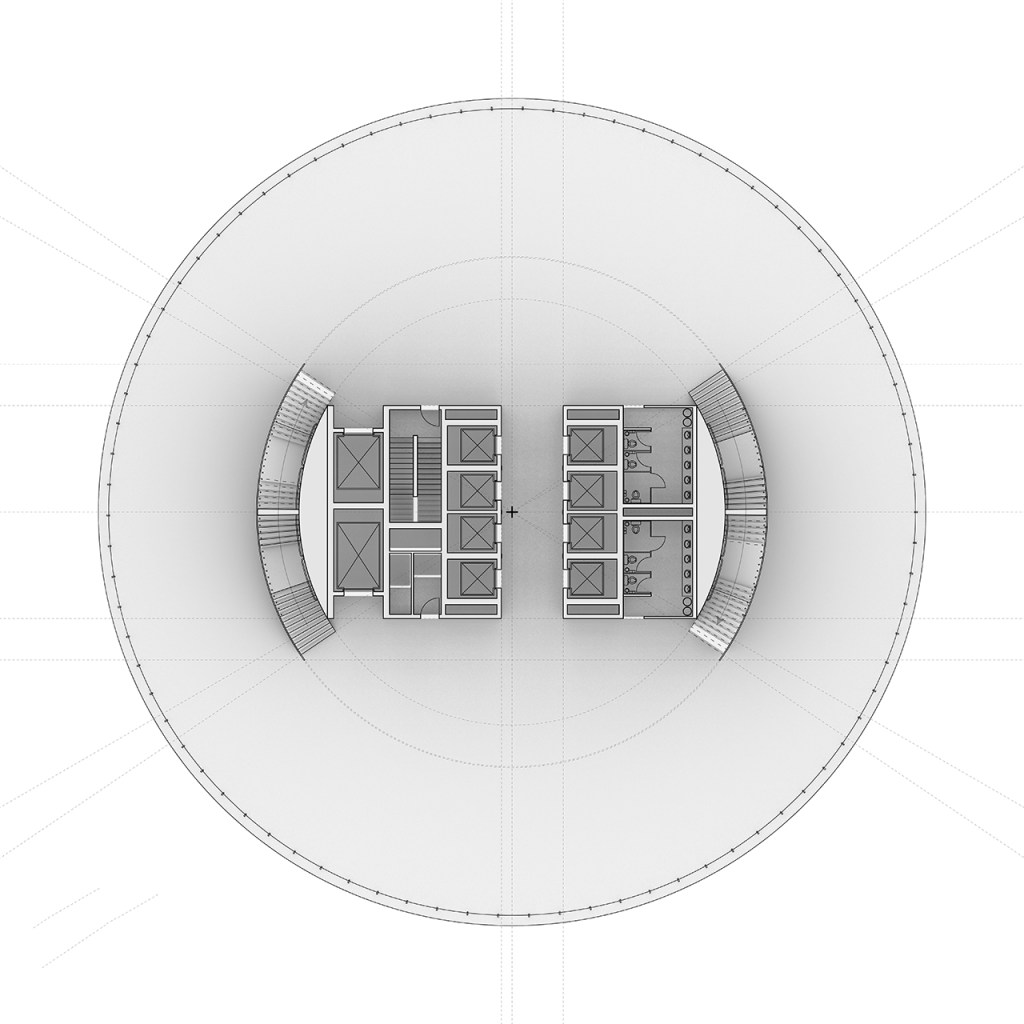
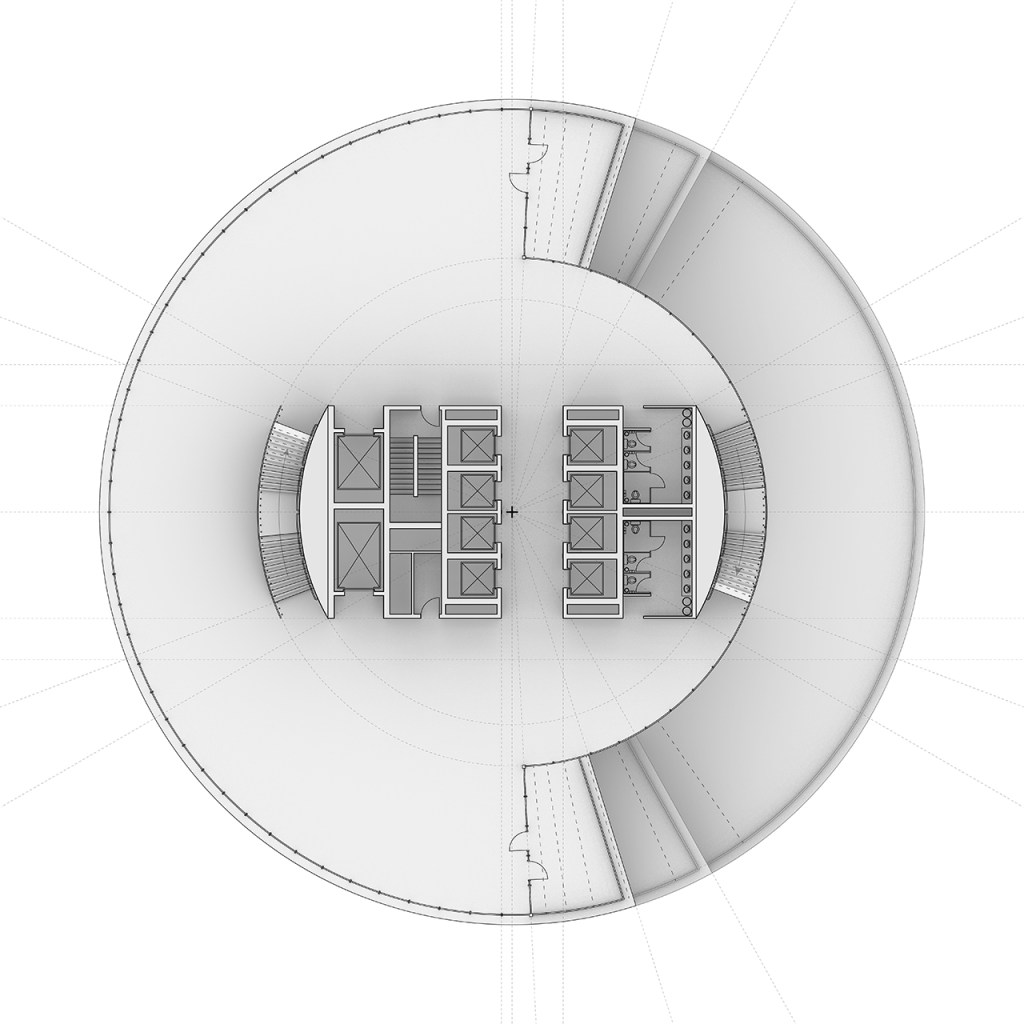
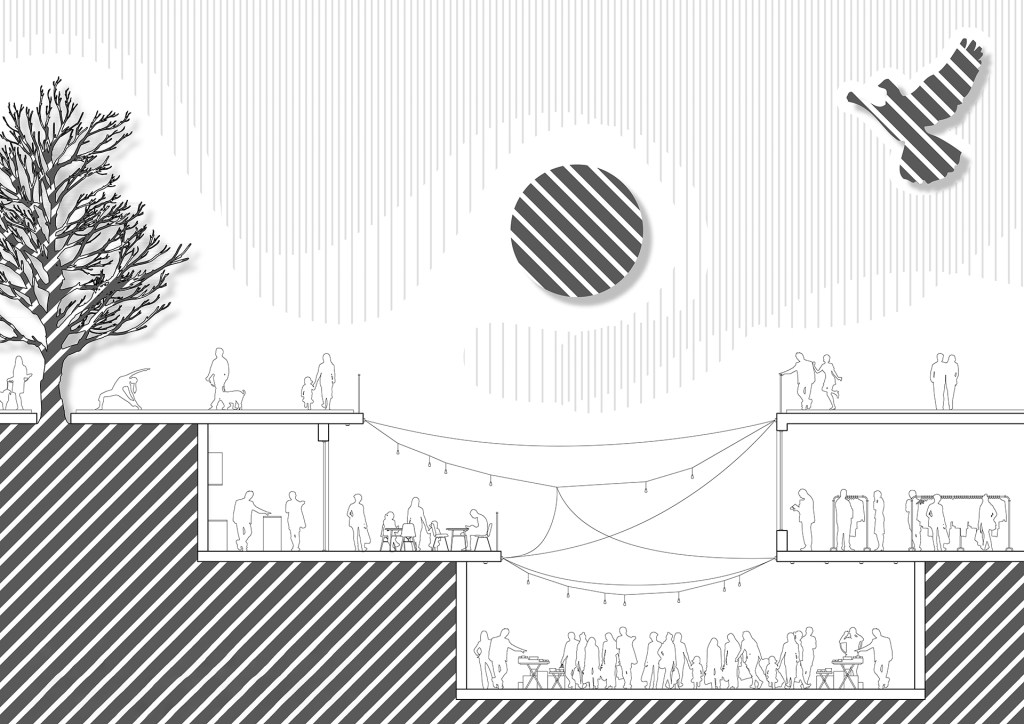
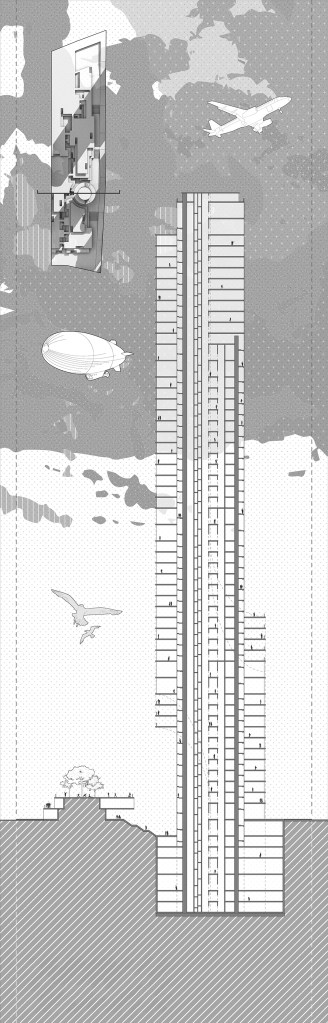
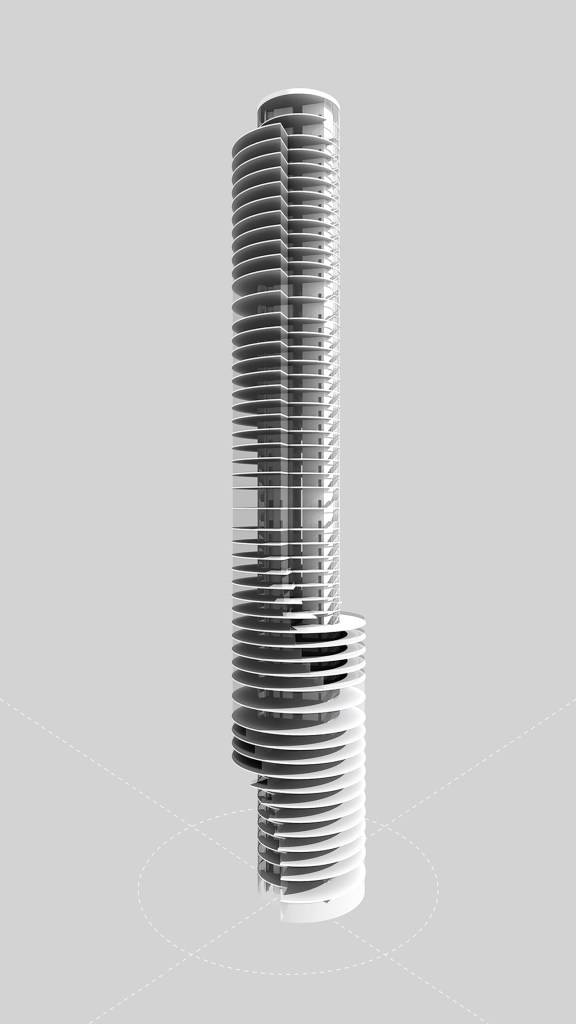
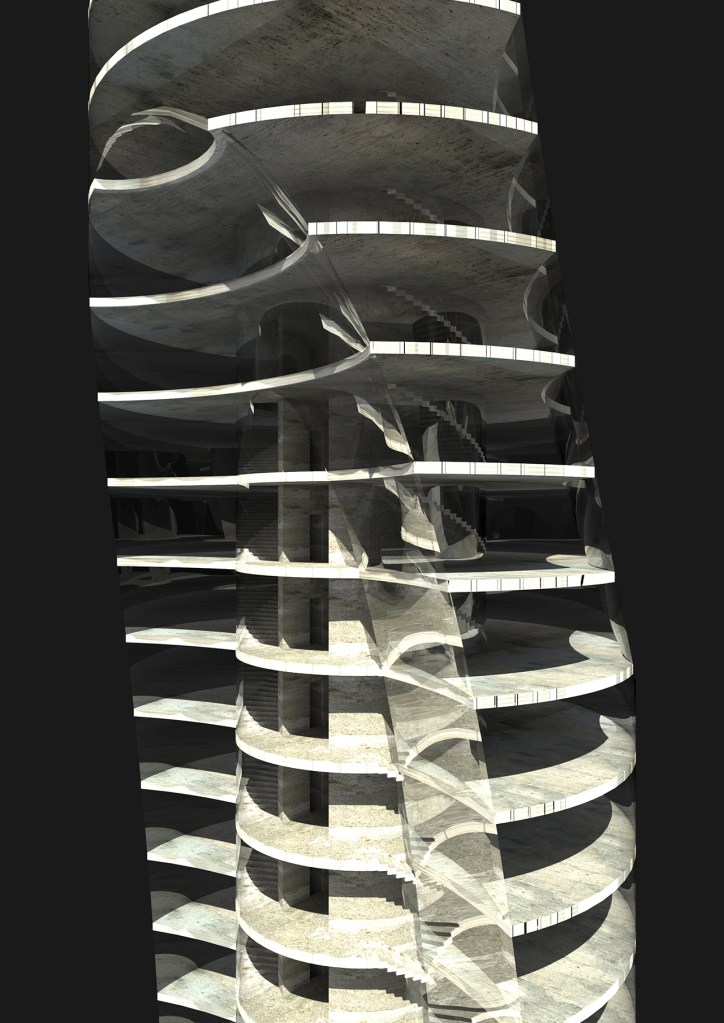
The entire design is composed of overarching forms. In the plaza and market areas, each level extends outward with cantilevered terraces, layering one above the other. The high-rise structure is similarly designed to overarch above the plaza. Its lower half is trimmed on one side to create a sheltered, nest-like space beneath. Supported by a continuous core, the upper half is trimmed on the opposite side. This not only reinforces the sense of the structure overhanging the plaza but also introduces a deliberate visual twist. With a thick core and a relatively thinner shell, the high-rise structure forces office spaces to spread over several floors. By doing so, the employees who’ll be moving between levels will have various sceneries during the day.
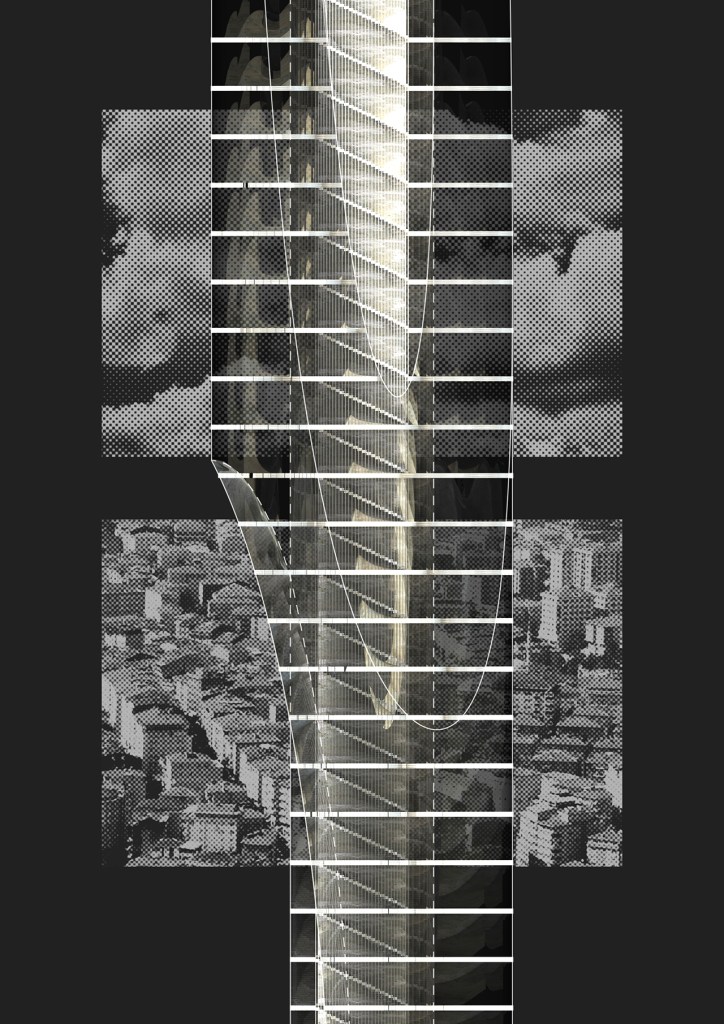
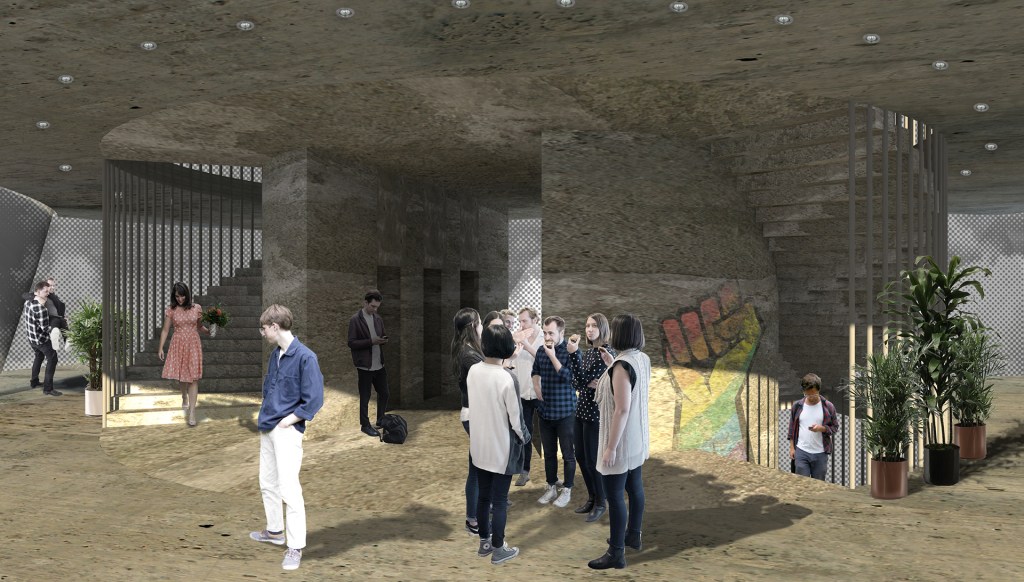
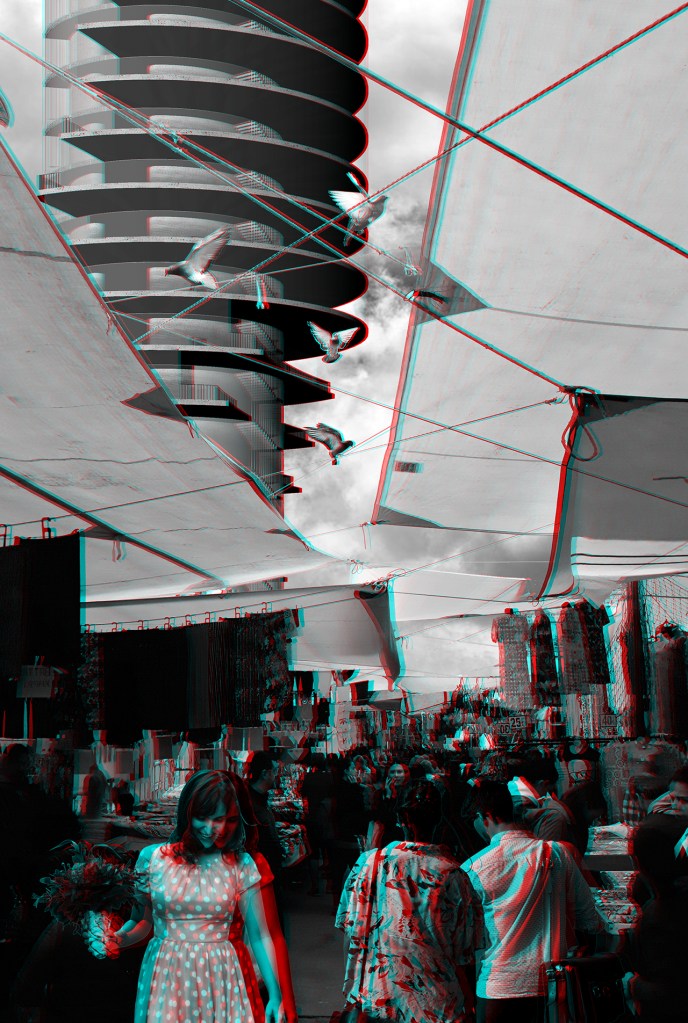
The overall complex welcomes people from both sides of the avenue it faces, including both the blue and the white collar workers, while also offering passersby a pleasant and engaging spatial experience. In contrast to the nearby shopping malls and office buildings—which often create alienating environments with no sense of belonging—the design reclaims the space for human connection. By combining a local bazaar with office spaces, it creates an inclusive environment that welcomes people from all backgrounds. Furthermore, with public squares and green recreational areas, the design intends to welcome people all throughout the week and the day.
 Alp Serif Besen